

Water filter: types, how it works and which one suits you
Want to know which water filter suits you? In this guide you'll read what a water filter does, which types there are, what they filter and how to choose. Dutch tap water is clean, but contains traces of PFAS, microplastics and medicine residues; a good filter provides extra assurance and better taste.
What is a water filter and what does it filter?
A water filter removes impurities from water through a physical
barrier, activated carbon or a combination of both. A simple pitcher focuses on chlorine and limescale (taste); a certified under-sink system also tackles PFAS, microplastics, heavy metals (lead, copper), medicine residues and pesticides.
Dutch tap water meets the standards, and according to Waternet and the Drinkwaterplatform is among the cleanest in the world, but research still finds traces of PFAS, microplastics and medicine residues, and old pipes can release lead. A filter is therefore not a necessity, but a conscious choice for extra assurance and better taste.


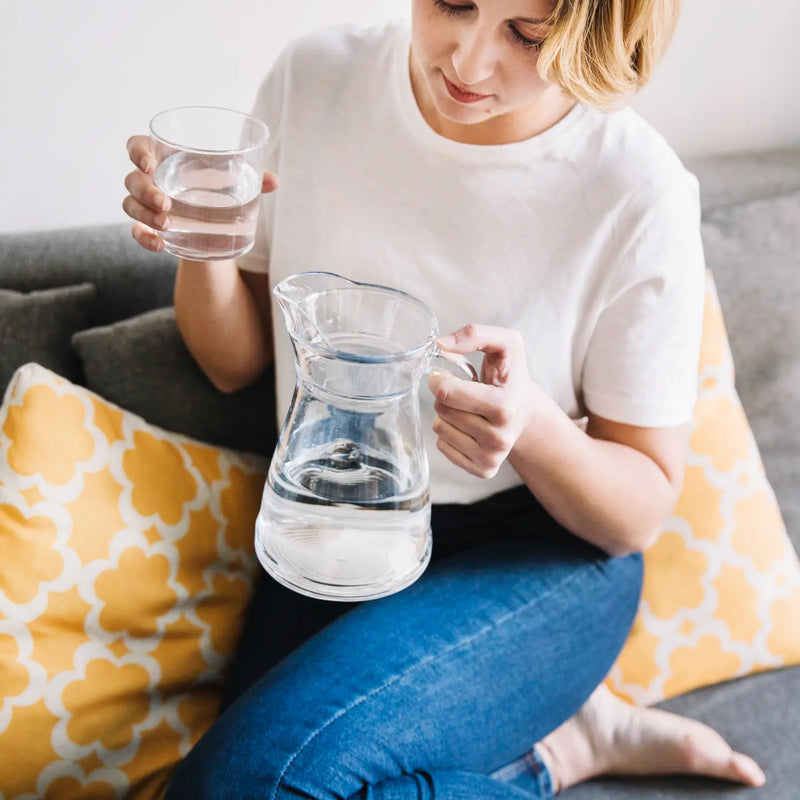
The types of water filters at a glance
Under-sink water filter
An under-sink water filter is connected to the cold water pipe under your sink: unlimited filtered water straight from your tap, broad filtration, cartridge lasts up to a year. The best choice for most households.
Filter pitcher
A cheap entry-level option (such as Brita): you fill the pitcher, the water trickles through activated carbon. Limited filtration (hardly any PFAS or microplastics) and a new cartridge every four weeks. See also our PureFilter vs Brita comparison
Gravity and portable filters
A tank on the counter or a portable filter for on the go and emergencies (Berkey, LifeStraw, Sawyer), works without electricity. Thorough, but bulky or not intended for daily household drinking water.


How do you choose the right water filter?
Step 1: Check for certification
An independent NSF certification (42, 53, 61, 372) proves what a filter really removes. Without certification, a claim cannot be verified.
Step 2: Decide what you want to filter
Just taste and limescale, or also PFAS, microplastics and heavy metals? That determines which water filter suits you.
Step 3: Compare cost and convenience
A pitcher may look cheap (60 to 120 euros per year in cartridges), but an under-sink filter, with a replacement filter from €65.00 per year, is often more cost-effective and lower-maintenance.

Meet the PureFilter Mineral+
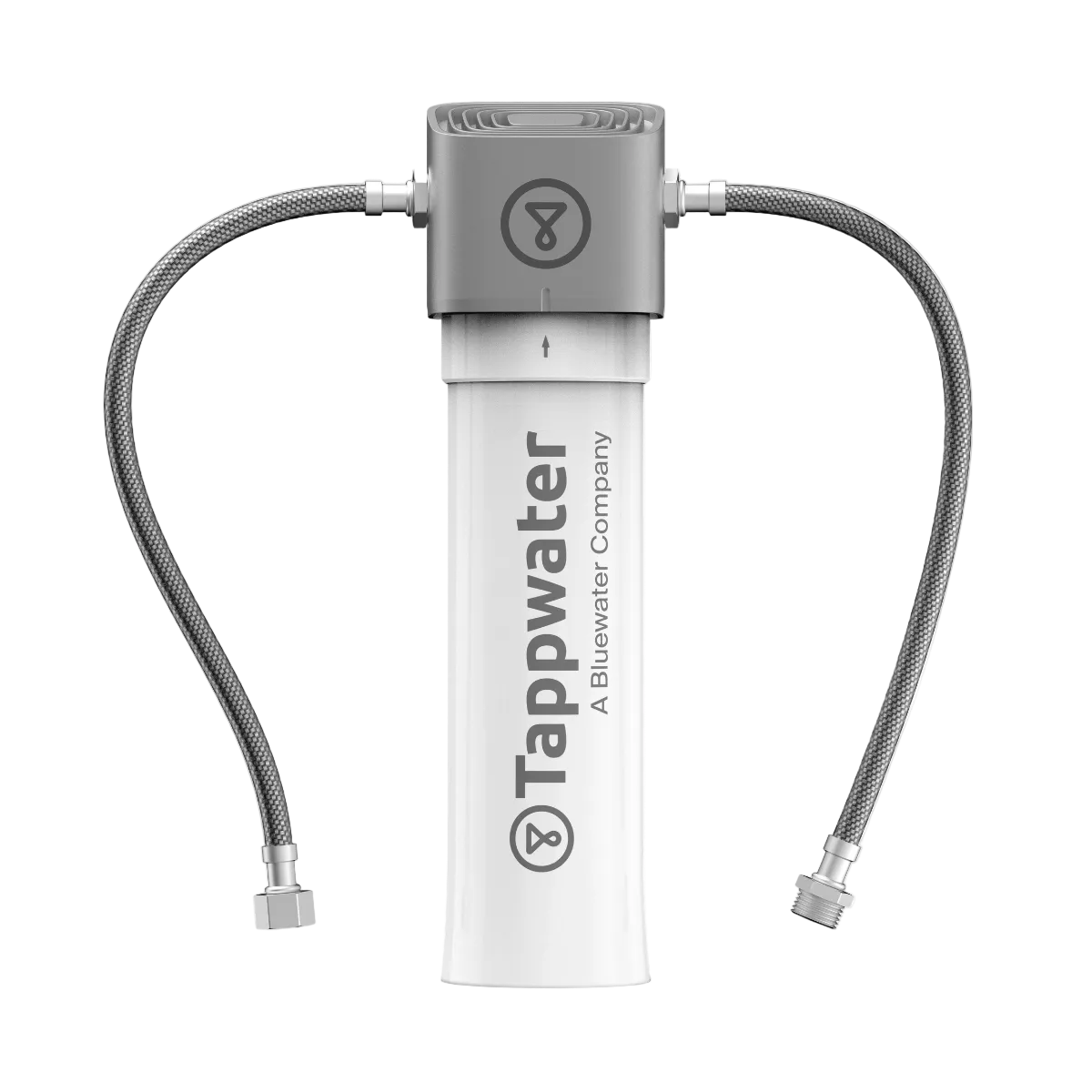
The PureFilter Mineral+ is a compact under-sink system that filters in five steps and then adds minerals back. It removes more than
100 contaminants (including PFAS, microplastics, heavy metals and chlorine) and adds calcium, magnesium and potassium via Swedish Mineral Rock, cleaner than tap water and fuller in taste than reverse osmosis.
● NSF 42, 53, 61 and 372 certified.
● 15,000 to 20,000 litres per filter (about 12 months for a family).
● Installation in 5 to 10 minutes, no plumber needed; also alongside a Quooker.
● 5-year warranty and 40 days free returns.
View the full range of water filters for home.
Frequently asked questions
Which water filter is best for home use?
For daily use at home, an under-sink filter scores highest: broad filtration, low cost per litre and filtered water straight from your existing tap. The PureFilter Mineral+ combines that with NSF certification and remineralisation.
Is a water filter really necessary?
Not for safety: Dutch tap water meets the standards. But it does offer extra assurance against traces of PFAS, microplastics and medicine residues, or for better taste. So it's a conscious choice, not a necessity.
What is the healthiest water filter?
A system that removes harmful substances while retaining useful minerals. Reverse osmosis strips everything away, including minerals; a filter with remineralisation such as the PureFilter Mineral+ removes contaminants and adds calcium, magnesium and potassium back in.
What is the best water filter according to the Consumentenbond (the Dutch consumer association)?
The Consumentenbond recommends looking at independent certification and the total annual cost including filter replacement.
Which water filter for emergencies or travel?
For travel or emergencies, choose a portable gravity or hollow-fibre filter that works without electricity. For home use, a fixed under-sink system is more suitable.
Does a water filter also filter out PFAS and microplastics?
Only if it's certified for that. A standard filter pitcher barely does this; an NSF 53-certified under-sink filter, such as the PureFilter Mineral+, does demonstrably remove PFAS and microplastics.