


 BRITA
BRITAPureFilter vs. Brita
The cheapest entry-level, but does not filter PFAS. Compare what you actually get.
P
Skip to content
Which is the best water filter for home use? There are significant differences between systems: one primarily filters for taste, another for contaminants, and some add minerals. We fairly compare Brita, Berkey, Quooker, and under-sink systems based on filtration, price, and convenience.
Dutch tap water is among the better-controlled drinking water in Europe. Yet, there are good reasons to filter your water. Research by RIVM and KWR shows that traces of PFAS, medicine residues, and microplastics are present in some of the Dutch tap water. Additionally, old pipes and the transport network cause minor deviations in taste and composition.
A good filter does two things simultaneously:
The choice depends on how far you want to go, how much space you have, and whether you prefer something under or on the counter.
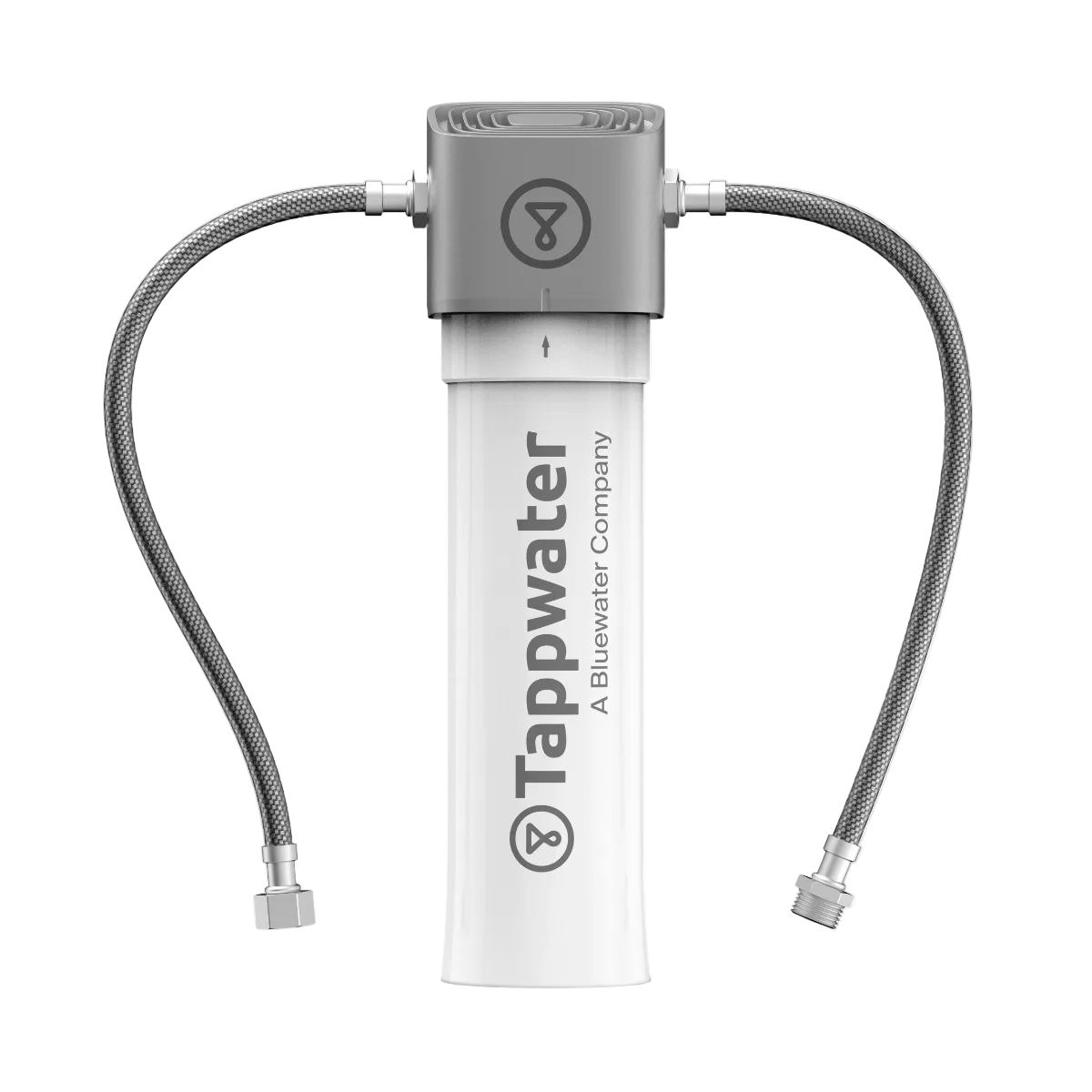
An under-sink water filter connects to the cold water line under your sink. This gives you instant filtered water from your existing tap, without a pitcher or waiting time. The filtration is much more comprehensive than with a pitcher, and one cartridge lasts up to a year. Installation takes 5 to 10 minutes and does not require a plumber. Ideal for daily use in an entire household.
A water pitcher with a filter cartridge is many people's first introduction to cleaner tap water. You fill the pitcher, the water seeps through an activated carbon filter, and comes out tasting fresher. It's inexpensive, with no installation. However, its filtration is limited: substances like PFAS and microplastics are barely or not at all retained, and the filter needs to be replaced every four weeks.
A gravity filter is a large tank on the countertop, often made of stainless steel, where water slowly seeps through ceramic elements. The filtration is extensive, and the system works without electricity or plumbing. On the other hand, the tank is permanently visible in your kitchen, often quite large, and needs to be refilled manually. Suitable for those who prioritize autonomy and thoroughness.
We'll compare PureFilter Mineral+ fairly with the three most popular alternatives in terms of filtration, price, and convenience — including how they handle PFAS in tap water.
BRITAThe cheapest entry-level, but does not filter PFAS. Compare what you actually get.
 BERKEY
Thorough filtration, but large on your countertop. Which one fits better in a Dutch kitchen?
 Quooker
Does a Quooker filter your water? What it does and doesn't do, and how they work together.
PureFilter Mineral+ is an under-sink system that filters in five steps and then returns minerals via Swedish Mineral Rock™. It removes over 100 contaminants, including PFAS, microplastics, heavy metals, and chlorine, and adds calcium, magnesium, and potassium. This makes the water taste softer and fuller.
What stands out in practice:
For whom: households that value taste and minerals in addition to safety.
Frequently Asked Questions
That depends on your situation, but for most households, an under-sink system comes out on top: extensive filtration, low cost per liter, and filtered water directly from your existing tap. PureFilter Mineral+ combines this with remineralization and NSF certification.
Not all filters do that. Simple jug filters (like standard Brita) do not or barely remove PFAS. Under-sink systems with activated carbon and additional stages, such as PureFilter Mineral+, are designed to reduce PFAS. Always check if the manufacturer publishes independent lab tests.
Not for most under-sink filters. You can install the PureFilter Mineral+ yourself in 5 to 10 minutes with a wrench. You shut off the cold water tap under the sink, disconnect the existing hose, connect the two supplied hoses to the filter, and open the tap again.
Yes. Connect the filter to the cold water supply before the water reaches the Quooker. You retain the convenience of boiling water and gain filtered, mineral-rich water. PureFilter Mineral+ is suitable for this setup.
For an under-sink system like PureFilter Mineral+, one filter lasts up to 12 months for 1–3 people, or up to 6 months for 4 or more people. With a Brita pitcher, you need to replace it every 4 weeks.
Dutch tap water is safe, but does contain traces of PFAS, microplastics and chlorine. A good filter reduces these substances and can — depending on the system — also add minerals. This improves the composition and taste.
Yes. Simple filters mainly focus on chlorine and limescale (taste). More advanced systems also remove PFAS, microplastics, and heavy metals (safety). Some, such as PureFilter Mineral+, combine both and add minerals.